DCT Lexicon · Optimization
Optimal (with solver evidence)
A plan proved best within a stated gap, and shown only with the solver's status, gap and certificate; an answer that is statistical, or the best of a declared grid, says so instead.
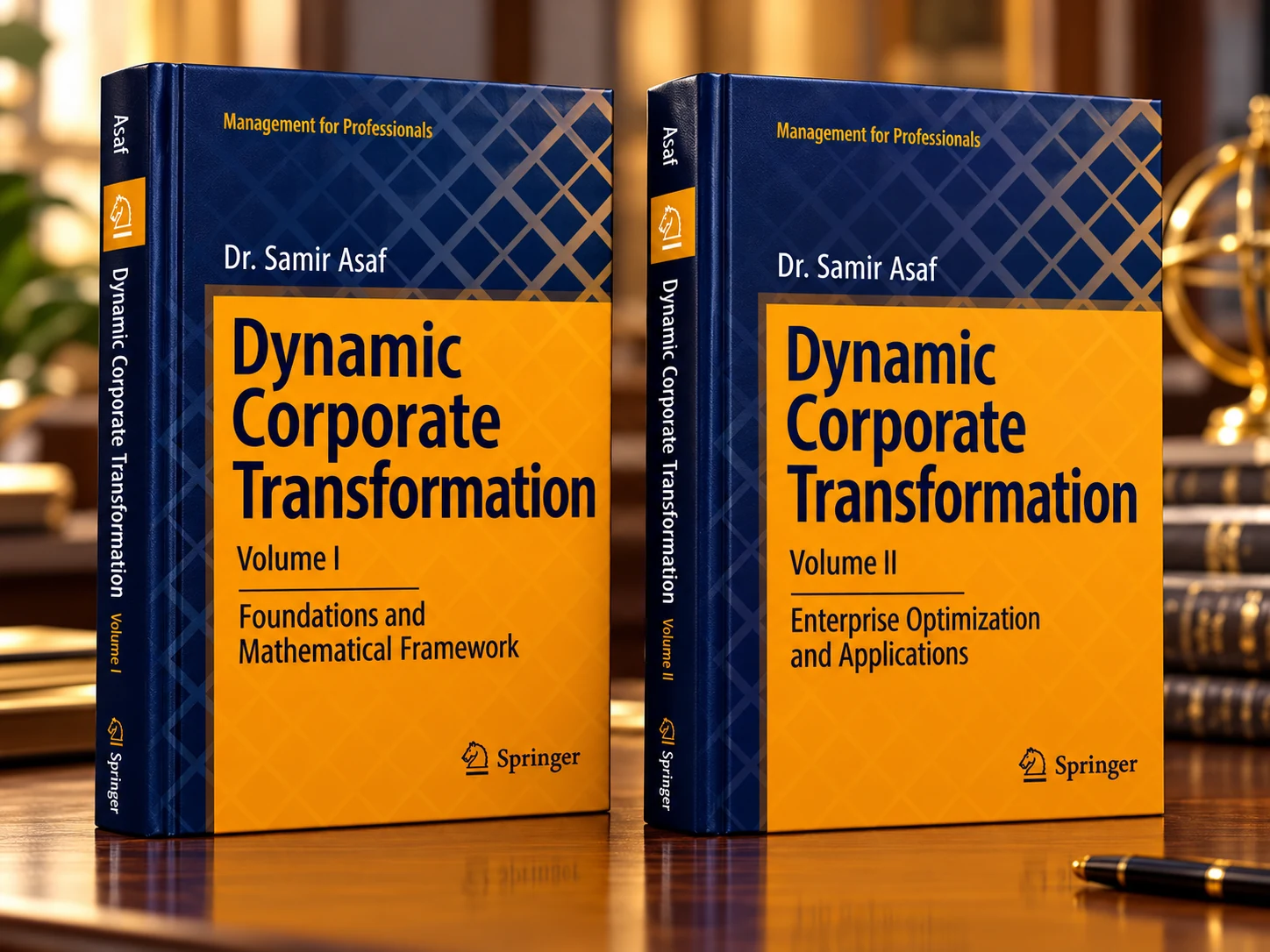
Drafted for the author's approval from Vol. I, Glossary of Key Terms ("Solver certificate contract") and Vol. II, Theorem 4.4
In depth
In the book
The admission terms under which any solution method—classical or learned—may serve a GEOP instance: declared certificates of feasibility, optimality grade, and stability, returned with the solution (Table 15.4; Theorem 15.7(vii)).
Vol. I, Glossary of Key Terms, p. 376 (Solver certificate contract), verbatim
The gap
Search over lumpy decisions that splits their ranges, bounds each piece by a relaxation, and discards pieces that cannot beat the best plan found; the gap between the largest open bound and the incumbent is a valid certificate at every stage (Theorem 4.4).
Vol. II, Glossary of Key Terms, p. 394 (Branch-and-bound), verbatim
Common misreading
A common mistake is to report the most frequent answer as the best.
Vol. II, LOS 4.4, verbatim
How AXIOM uses it
AXIOM calls a plan optimal only with the solver's status, gap and certificate beside it. A result the passport grades "statistical" carries its standard error, a grid's best point is labelled the grid's optimum, and a genetic search's finalists are labelled statistical, not certified.
Drafted for the author's approval, from AXIOM's standing law ("Optimal" only with solver evidence) and its method passports
In the book: Vol. I, Ch. 15: Mathematical Formulation of Enterprise Optimization · Vol. II, Ch. 4: Nonlinear and Mixed-Integer Enterprise Optimization
Related: Mixed-integer programming (MILP) · Method passport · Full Certificates · Certificate
V1.Tab.15.4 · V1.Thm.15.7 · V2.Thm.4.4